


Charting a Sustainable Future: Nigeria Strengthens Public Financing for NCD Prevention and Control
- APH-FiP ProjectNewsboard
- No Comment
- 1104
Nigeria has taken an important step toward strengthening sustainable domestic financing for the prevention and control of Non-Communicable Diseases (NCDs).
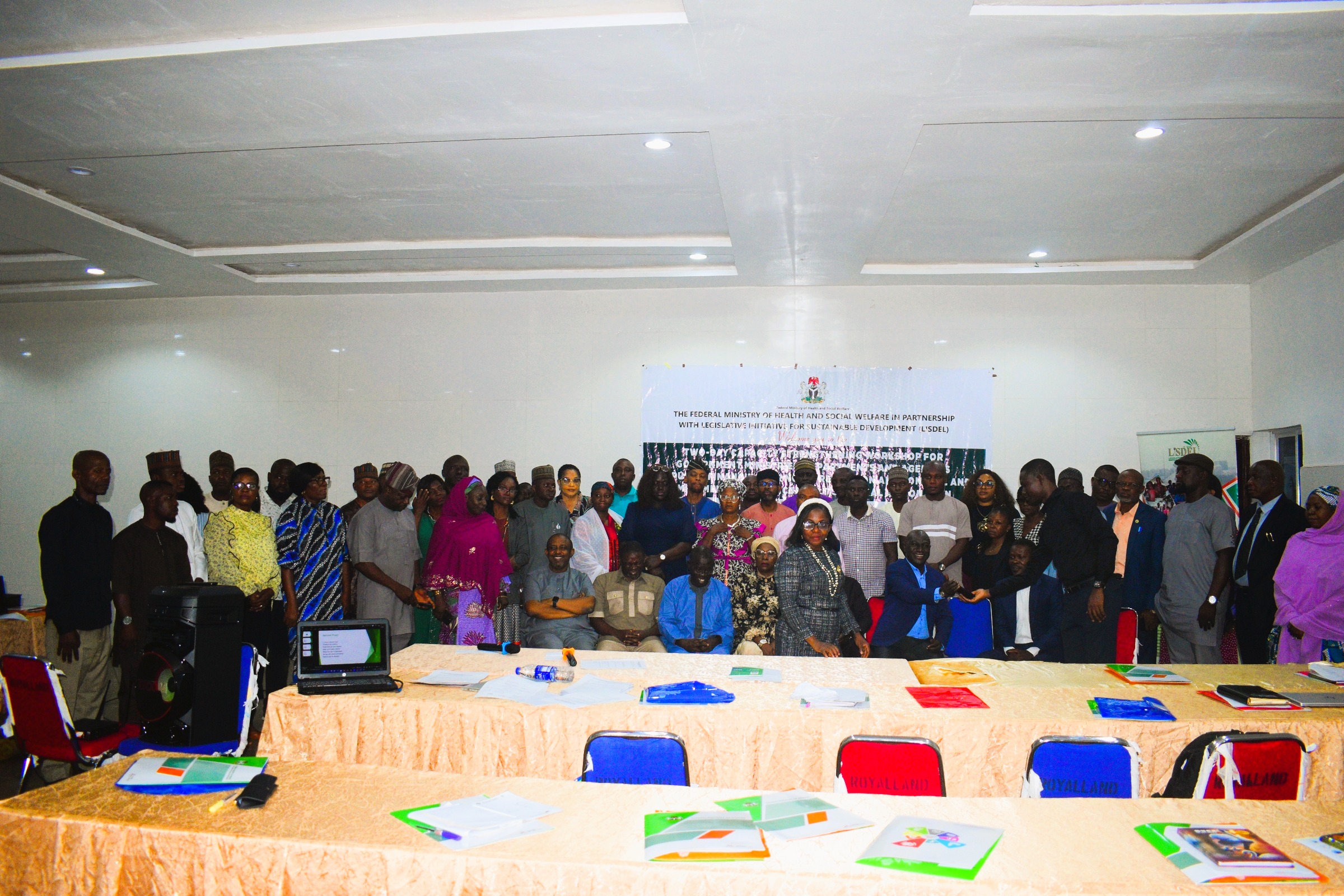
On April 8–9, 2026, the Federal Ministry of Health and Social Welfare (FMoHSW), in partnership with the Legislative Initiative for Sustainable Development (LISDEL) and the Global Health Advocacy Incubator (GHAI), convened a landmark capacity-strengthening workshop in Nasarawa State to advance financing solutions for NCDs in Nigeria.
The workshop brought together key stakeholders from government Ministries, Departments and Agencies (MDAs), development partners, and technical experts to examine practical strategies for improving public financing for NCD prevention, treatment, and control.
Why NCD Financing Matters
NCDs, including hypertension, diabetes, cardiovascular diseases, cancer, and chronic respiratory conditions are among the leading causes of morbidity and mortality globally and are an increasing public health challenge in Nigeria.
Beyond their health impact, NCDs place significant pressure on household incomes, reduce workforce productivity, and increase long-term health expenditures. Despite this growing burden, financing for NCD prevention and control often remains inadequate and fragmented.
Addressing this gap requires predictable, sustainable, and domestically driven investment.
Setting the Context: Understanding Nigeria’s NCD Burden
During the workshop, participants reviewed current trends in Nigeria’s NCD burden and the economic implications for individuals, families, and national development.
Discussions emphasized that NCDs are no longer solely health-sector concerns, they are development and economic priorities that require coordinated government action.
LISDEL also presented findings from a Multi-Sectoral Action Plan (MSAP) capacity needs assessment, which highlighted growing commitment across institutions while identifying technical gaps in budget preparation, financing advocacy, and implementation capacity.
Advocacy That Understands the Budget Process
A key feature of the workshop was a session on Political Economy Analysis (PEA) for budget advocacy, led by GHAI.
The session explored how stronger financing outcomes depend not only on evidence of disease burden, but also on understanding how decisions are made, where influence lies within public institutions, and how reform champions can be engaged throughout the budget cycle.
“Securing funds for NCDs isn’t just about showing a line graph of rising cases,” Prof. Alhassan noted. It’s about understanding the incentives of policymakers, identifying champions within the budget process, and navigating the political landscape to ensure health remains a top priority.”
This approach reinforces the need for strategic advocacy that links health priorities to political and fiscal realities.
Promoting Transparency Through Budget Tracking
To support accountability and evidence-based advocacy, LISDEL introduced a Multisectoral NCD Budget Tracker.
The tool is designed to improve transparency by enabling stakeholders to monitor budget allocations, releases, and spending related to NCD programs across relevant sectors. Such innovations can help ensure that policy commitments translate into measurable financing action.
Looking Back, Planning Forward
As Nigeria transitions from the 2019–2025 Multi-Sectoral Action Plan period, the workshop also created space for reflection on implementation progress, lessons learned, and priorities for the next phase.
Participants identified the need for a stronger, better funded, and more coordinated national response to NCDs.
Among the forward-looking priorities discussed were:
- Pro-health taxes and innovative financing mechanisms to reduce consumption of harmful products while generating additional domestic revenue for health.
- A robust investment case for NCDs to guide future resource allocation decisions.
- A revised Multi-Sectoral Action Plan with clearer roles, stronger accountability, and sustainable financing pathways.
The Road Ahead
The workshop concluded with renewed commitment from participating institutions to elevate NCD prevention and control as a national priority.
By aligning policy ambition with sustainable financing strategies, Nigeria is laying the groundwork for a more effective response to one of the country’s fastest-growing health and development challenges.
GHAI remains committed to supporting the Federal Ministry of Health and Social Welfare and LISDEL to translate these commitments into policy action, stronger budgets, and improved health outcomes for Nigerians.
LISDEL