


Securing Dedicated Funding for Hypertension and other NCDs: Hon. Amos Magaji Supports Independent Budget Lines
- APH-FiP ProjectNewsboard
- No Comment
- 1360

ABUJA, NIGERIA — Nigeria’s response to hypertension and other non-communicable diseases (NCDs) may be set for a significant financing boost following fresh commitments by the Chairman of the House Committee on Health Care Services, Honourable Amos Magaji, to champion dedicated budget lines for hypertension and other NCD prevention and control.
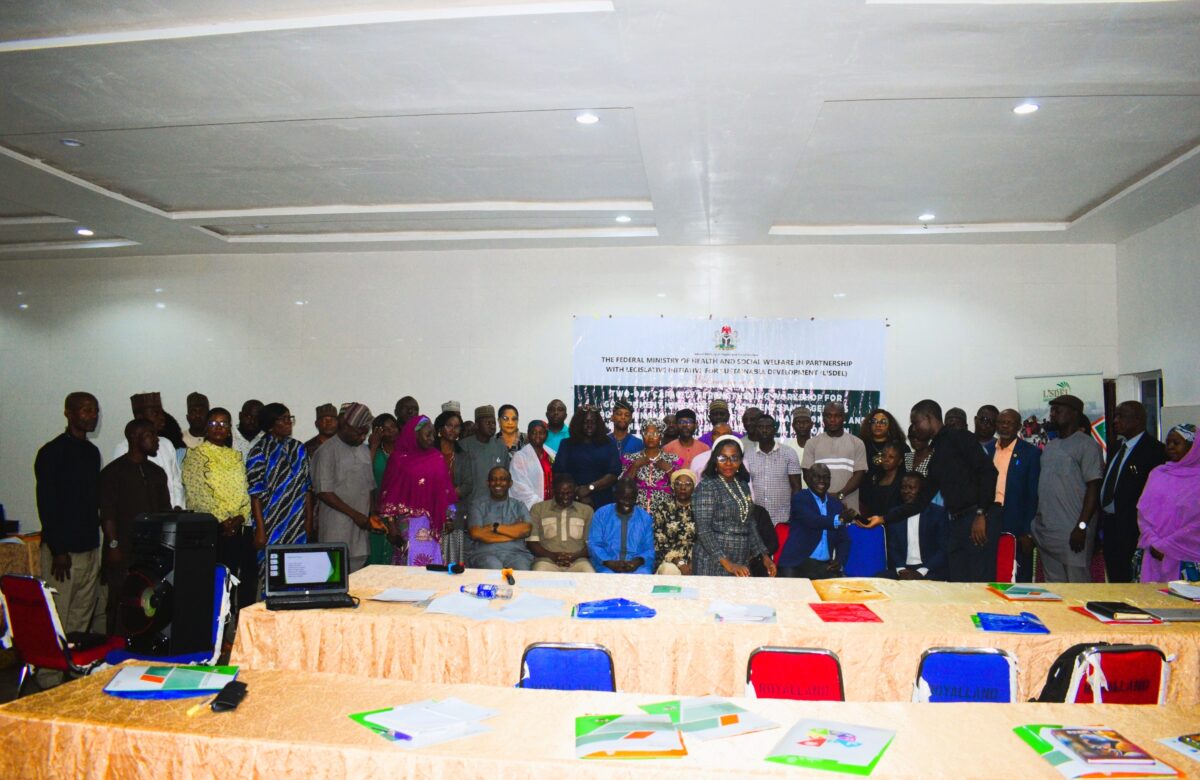
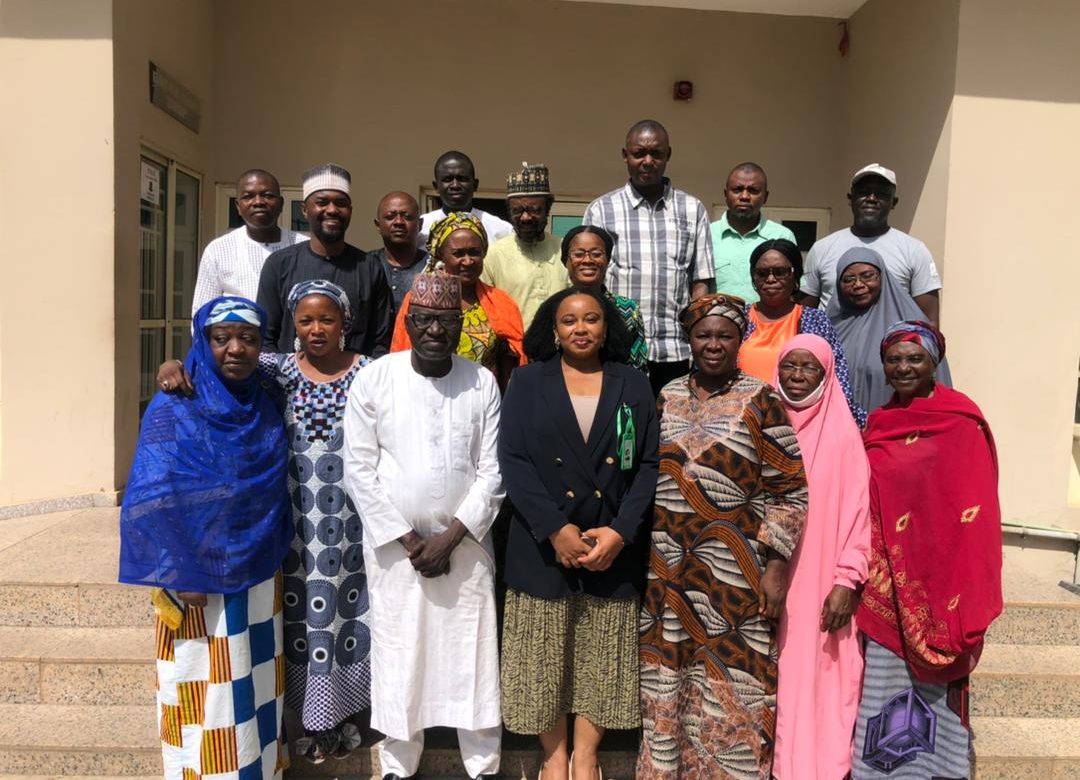
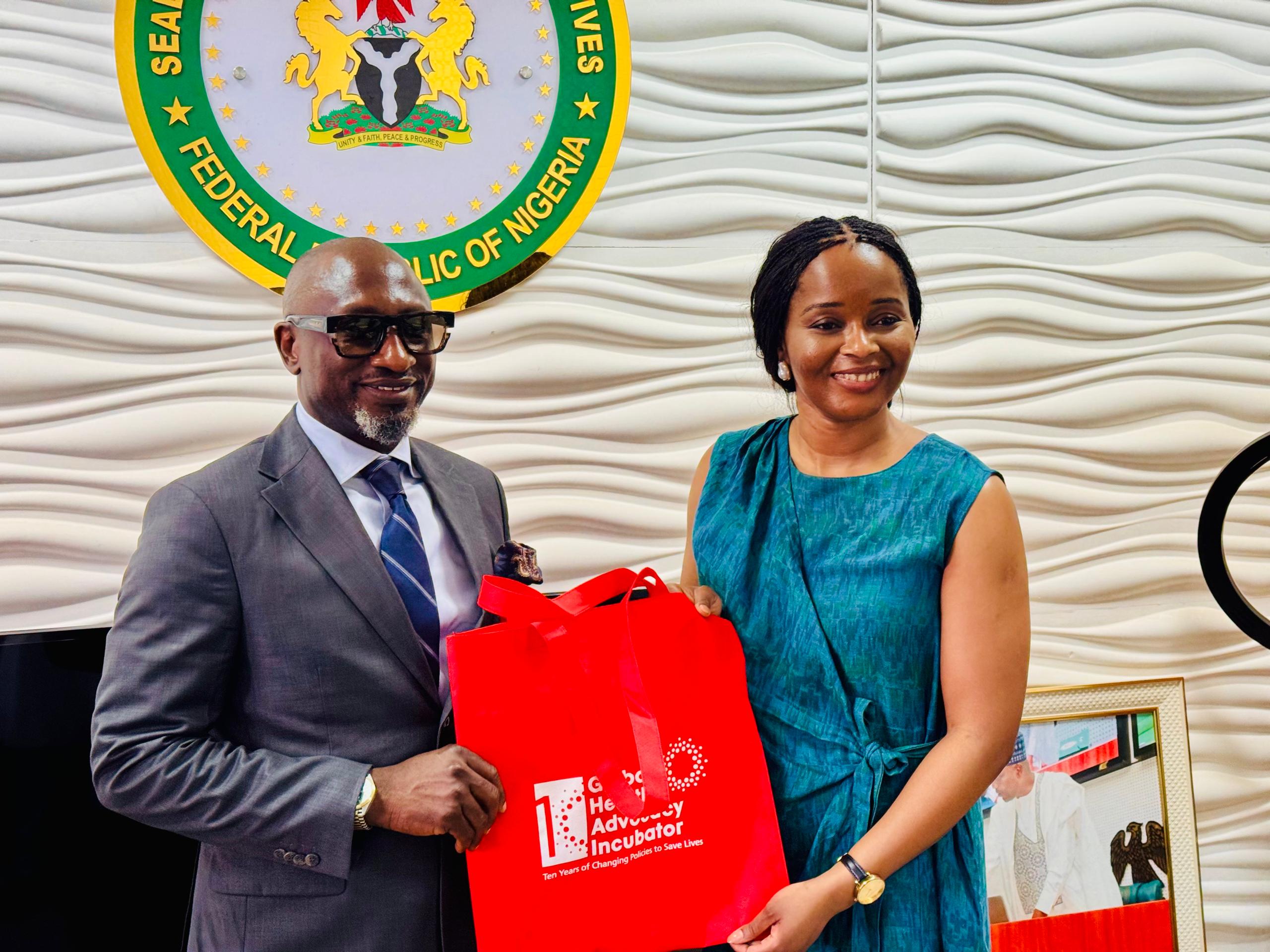
The commitment was made during an advocacy visit on 21 April 2026 by the Legislative Initiative for Sustainable Development (LISDEL), the Global Health Advocacy Incubator (GHAI), and representatives of the patient community under the Advocacy Partnership for Hypertension Financing and Patient Voice (APH-FiP) Project.
The meeting focused on one of the longstanding challenges in Nigeria’s health sector: inadequate and poorly tracked financing for hypertension and other NCDs, which continue to place increasing pressure on households and health facilities across the country.
Protecting Funds for Priority Health Needs
Hon. Magaji emphasized the importance of ensuring that allocations for hypertension and NCDs are clearly captured in government budgets and protected from diversion under broader spending categories.
“To avoid misappropriation, we must ensure hypertension funding is captured separately or made a first-line charge,” he stated.
If implemented, such a measure would help guarantee that resources intended for blood pressure screening, treatment, medicines, diagnostics, and related services reach frontline health facilities and communities.
Expanding the Basic Health Care Provision Fund
The Chairman also disclosed that discussions are ongoing within the National Assembly on the amendment of the National Health Act 2014 to increase the Basic Health Care Provision Fund (BHCPF) from 1 percent to 2 percent of the Consolidated Revenue Fund.
The proposed increase is expected to strengthen primary health care services and create more fiscal space to address the growing burden of hypertension, diabetes, and other chronic conditions.
He noted that hypertension-related complications are becoming increasingly common in hospitals nationwide, reinforcing the urgency for stronger prevention and treatment systems.
Primary Health Care as the Frontline of Response
Throughout the engagement, Hon. Magaji stressed that the fight against NCDs cannot depend solely on tertiary hospitals but must be anchored in effective and accessible Primary Health Care Centres.
“PHCs are the hospitals of today and the hospitals of the future,” he said.
He further highlighted the need for wider health insurance coverage, stronger multisectoral collaboration, and improved health data systems to guide planning and resource allocation.
The Chairman also supported the development of a national performance dashboard to track hypertension prevalence, risk factors, treatment access, and progress across states.
Patient Voices Call for Urgent Action
Speaking during the meeting, Mr Francis Okonkwo, representing the NCD patient Advocacy working group, called for the same level of national urgency that has previously been mobilized for maternal and child health programs.
He expressed optimism that the current legislative engagement could mark a turning point for millions of Nigerians living with hypertension and related conditions. “I can see hope,” he remarked.
As part of follow-up actions, LISDEL and partners plan to deepen awareness and policy engagement within the National Assembly through:
- Free blood pressure screening for lawmakers and National Assembly staff
- Strategic media engagement to sustain national attention on hypertension and NCD financing reforms.
- Continued advocacy with the Ministry of Finance, Budget Office, Accountant General of the Federations Office and relevant MDAs to secure releases for hypertension and other NCDs in the 2026 budget.
- Technical engagement on the design and protection of dedicated hypertension/NCD budget lines
A Timely Opportunity for Reform
With hypertension often progressing silently until severe complications occur, stakeholders say Nigeria now has an opportunity to strengthen prevention, early detection, and sustainable financing mechanisms before the burden grows further.
The commitments made during the engagement signal increasing political recognition that NCDs are no longer a future threat but a present national development priority.
LISDEL